
THE MEDICINE GARDEN AT VILLAGE PHARMACY
This curated native planting brings together the healing traditions of the American prairie with the needs of a modern urban streetscape. Each species was selected not only for its ethnobotanical legacy, but for its ecological role; i.e. reducing heat, managing water, and supporting pollinators. The garden is both beautiful and purposeful.
PROJECT TEAM
MGDK Architects (Architecture and Design)
Reva Meeks (Landscape Architect and Designer)
Village Pharmacy (Client and Steward)
ECOLOGICAL DESIGN PRINCIPLES
Permeable Paving & Stormwater
Permeable pavers allow rainfall to filter through hardscape surfaces directly into the soil, reducing runoff, replenishing groundwater, and relieving pressure on municipal stormwater systems during heavy rain events.
Heat Island Reduction
Native plantings and permeable surfaces absorb far less heat than conventional asphalt and concrete. Shade from foliage, transpiration from leaves, and light-colored surfaces together measurably lower local air temperatures.
Habitat & Biodiversity
Every plant here was chosen for its relationship with native pollinators, birds, and beneficial insects. Prairie species support the full lifecycle of monarch butterflies, native bees, and songbirds — restoring ecological corridors in the urban fabric.

echinacea pallida
Pale Purple Coneflower
Traditional Tea: Native American tribes historically used a decoction of the roots to treat colds and internal aches.
Nutrient-Dense Food: The seeds were traditionally ground into flour for nutrient-rich, energy-boosting cakes and porridges.
Digestive Tonic: Root infusions were occasionally used as a mild diuretic or to soothe stomach upset.
Modern Use: No verified clinical health uses today; its primary value is ecological and ornamental.
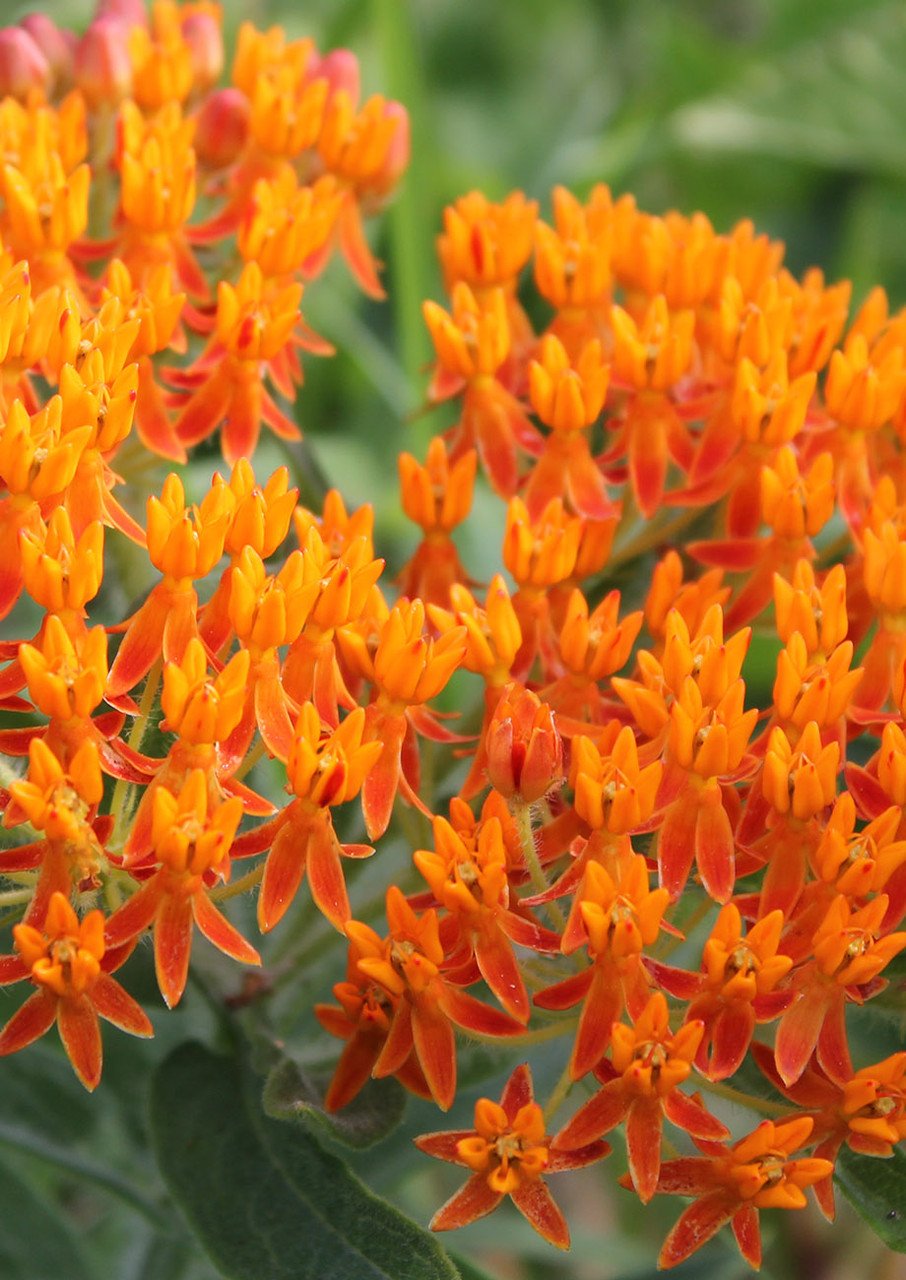
asclepias tuberosa
Butterfly Weed
Relieves Respiratory Congestion: Known historically as "Pleurisy Root," it acts as an expectorant that breaks up tough mucus, easing deep chest congestion and bronchitis.
Reduces Chest Inflammation: It directly targets inflammation in the lining of the lungs, helping to soothe sharp chest pain associated with respiratory infections.
Breaks Fevers: Acts as a diaphoretic, stimulating peripheral circulation and promoting sweating to help the body safely break a stubborn fever.
Heals Skin Wounds: Applied topically as a poultice, the roots contain compounds that help reduce swelling and accelerate the healing of minor cuts and bruises.
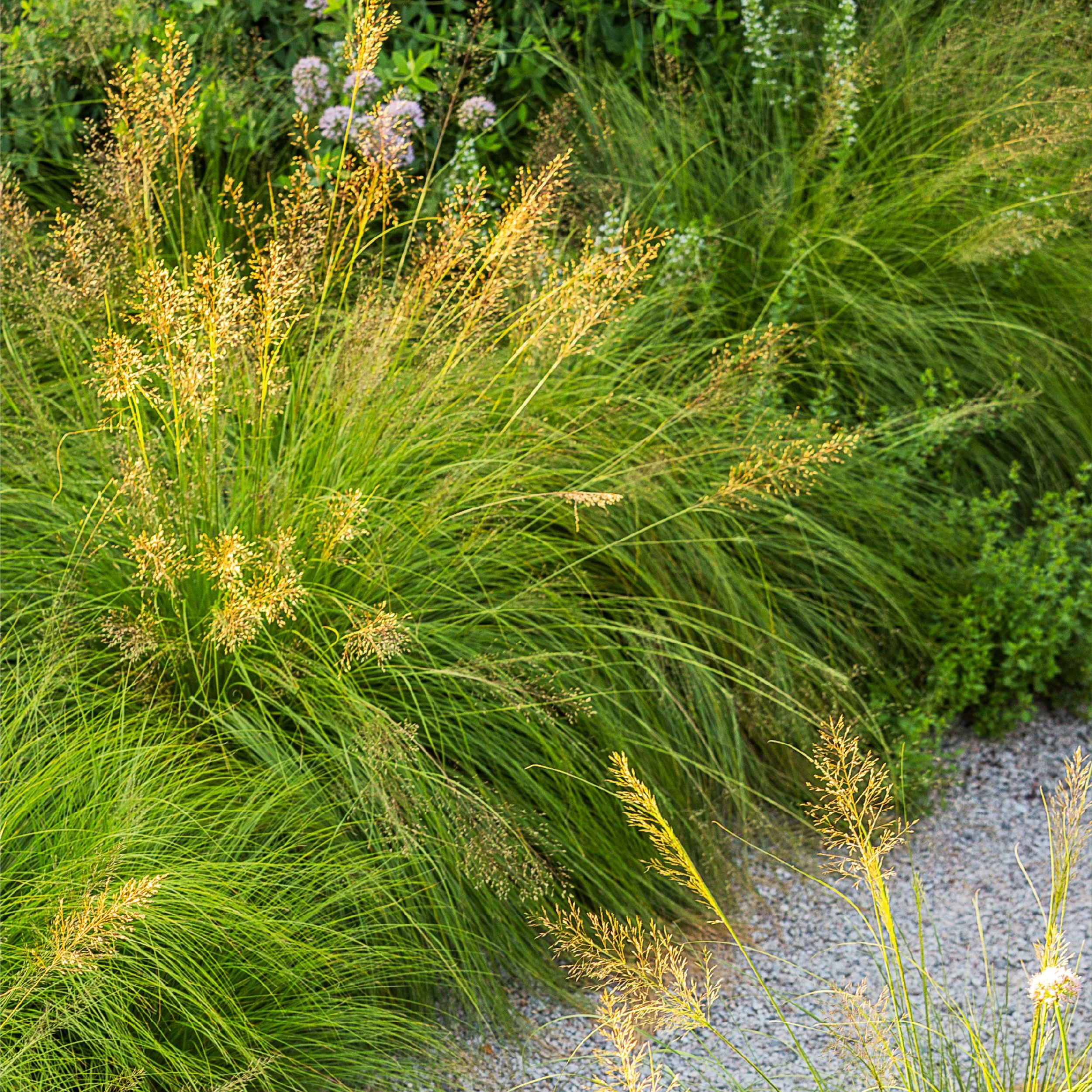
sporobolus heterolepis
Prairie Dropseed
Nutritious Food Source: The small, round seeds were historically gathered, ground into a fine flour, and used to make
nutrient-rich porridge or traditional baked breads.
Digestive Comfort: Some historical ethnobotanical accounts note that a weak root infusion was occasionally used to soothe mild, general stomach upset.
Traditional Crushed Seed Wash: The fragrant seeds were sometimes crushed and mixed into water to create a soothing, aromatic wash for minor skin irritation.
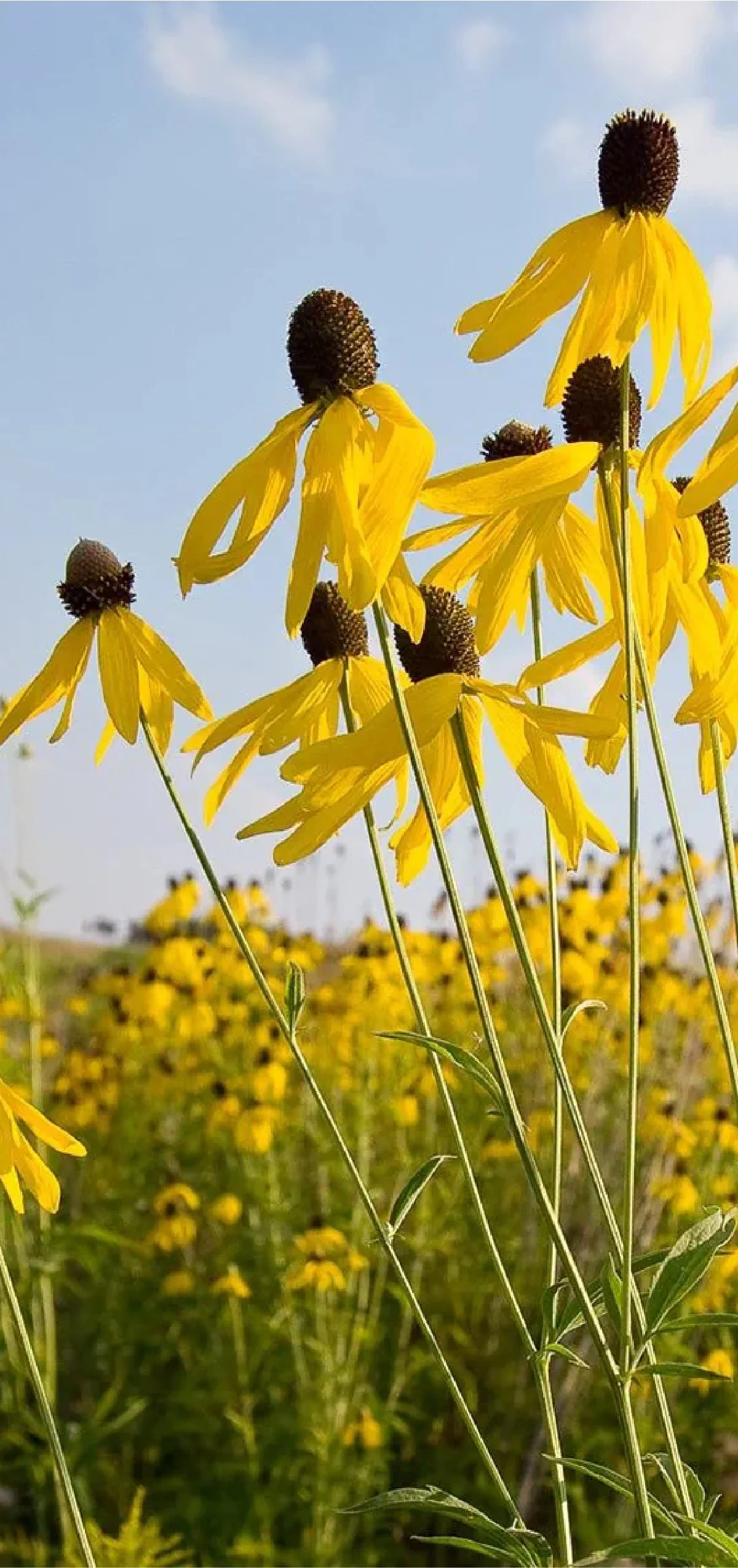
ratibida pinnata
Greyheaded Coneflower
Soothes Toothaches: A poultice made from the root was applied directly to the gums or jaw to numb dental pain and reduce localized inflammation.
Lowers Fevers: A tea brewed from the roots and leaves acts as a natural febrifuge, helping to cool the body and manage temperatures during illness.
Eases Digestive Cramps: An infusion of the leaves was traditionally used to calm intestinal spasms, relieving painful stomach aches and abdominal cramps.
Treats Bites & Stings: The extracted juice or mashed leaves can be applied topically to soothe the pain, swelling, and irritation from insect bites and stings.
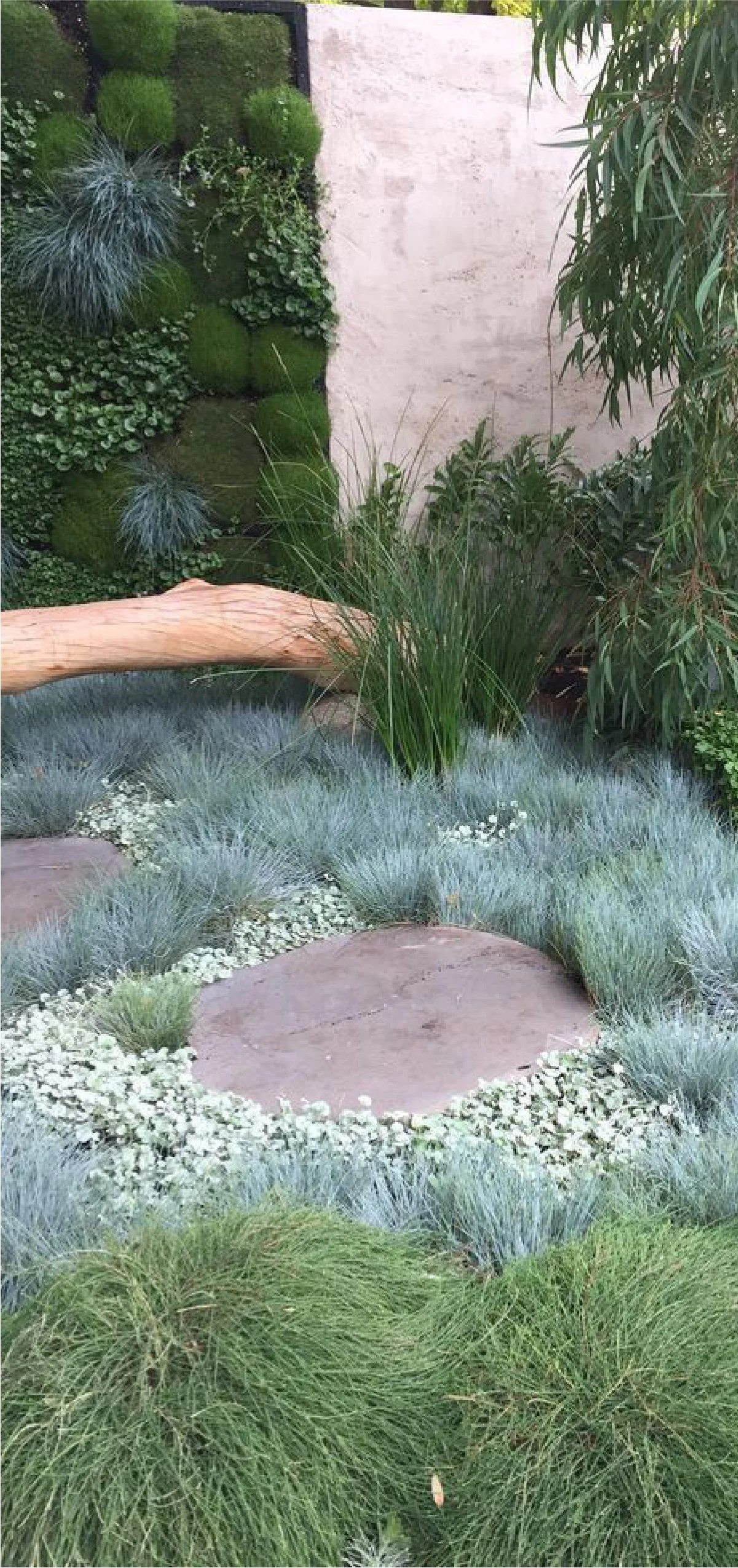
schizachyrium scoparium
Little Bluestem
Sweat Lodge Rituals: The Lakota and other tribes traditionally used switches of the grass inside ceremonial sweat lodges to steam the body and drive out sickness.
Aches & Pains: Root decoctions were occasionally brewed to treat internal aches, fevers, or general body discomfort.
Insulation & Comfort: The dried leaves were rubbed into a soft, fibrous material used to line moccasins, protecting against frostbite and blistering.
Modern Status: Celebrated today as a powerhouse for erosion control, wildlife habitat, and stunning fall landscaping.
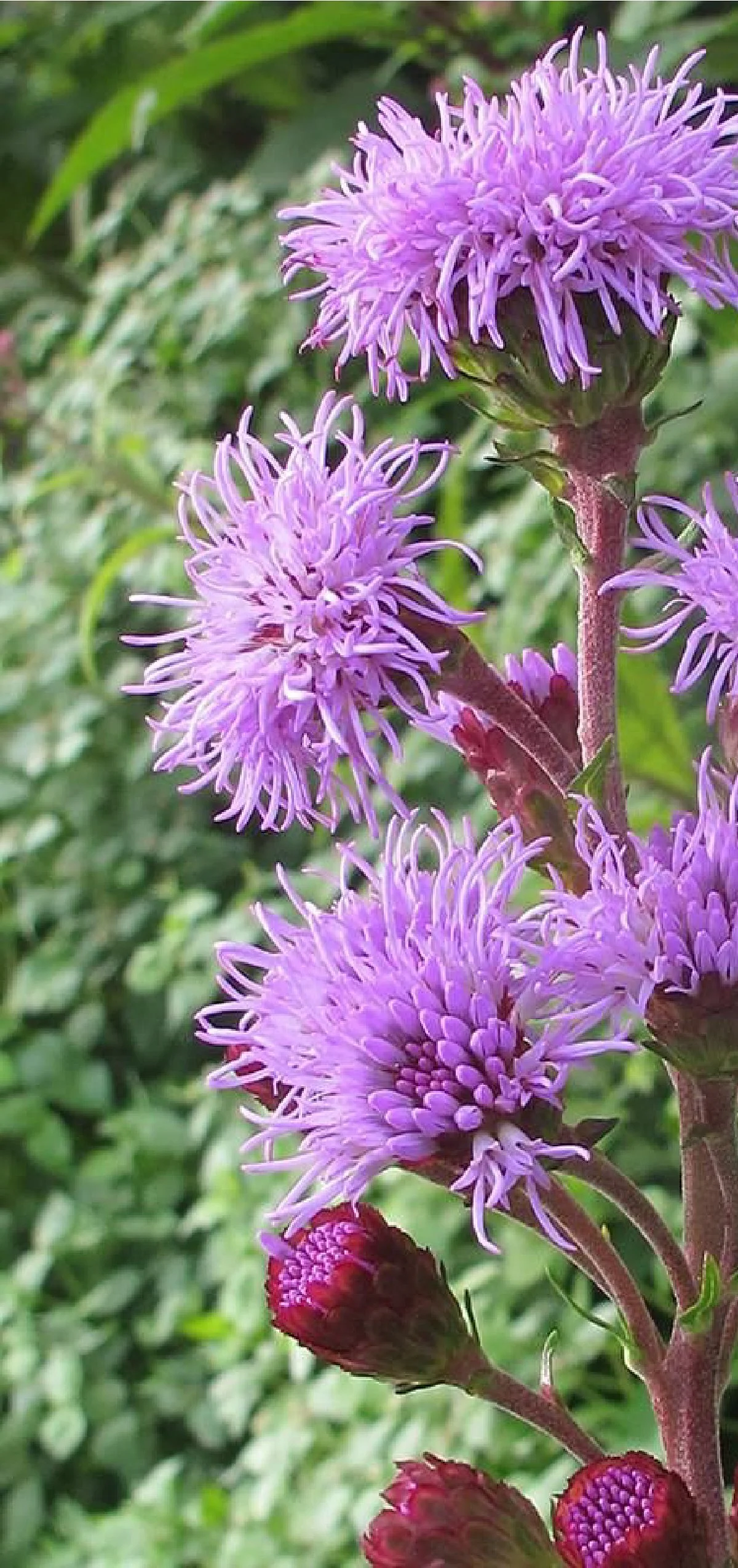
liatris aspera
Rough Blazing Star
Natural Diuretic: Cherokee and Cheyenne tribes heavily utilized root decoctions to support kidney and bladder health and flush excess fluids from the body.
Respiratory & Throat Relief: The roots were commonly chewed or brewed into a tea to soothe sore throats, calm violent coughs, and ease bronchial congestion.
Digestive Aid: Often referred to historically as "Colic Root," infusions of the plant were used to relieve abdominal pain, indigestion, and bloating.
Modern Status: Preliminary lab studies show the plant contains flavonoids and phenolic compounds with antioxidant and anti-inflammatory benefits.
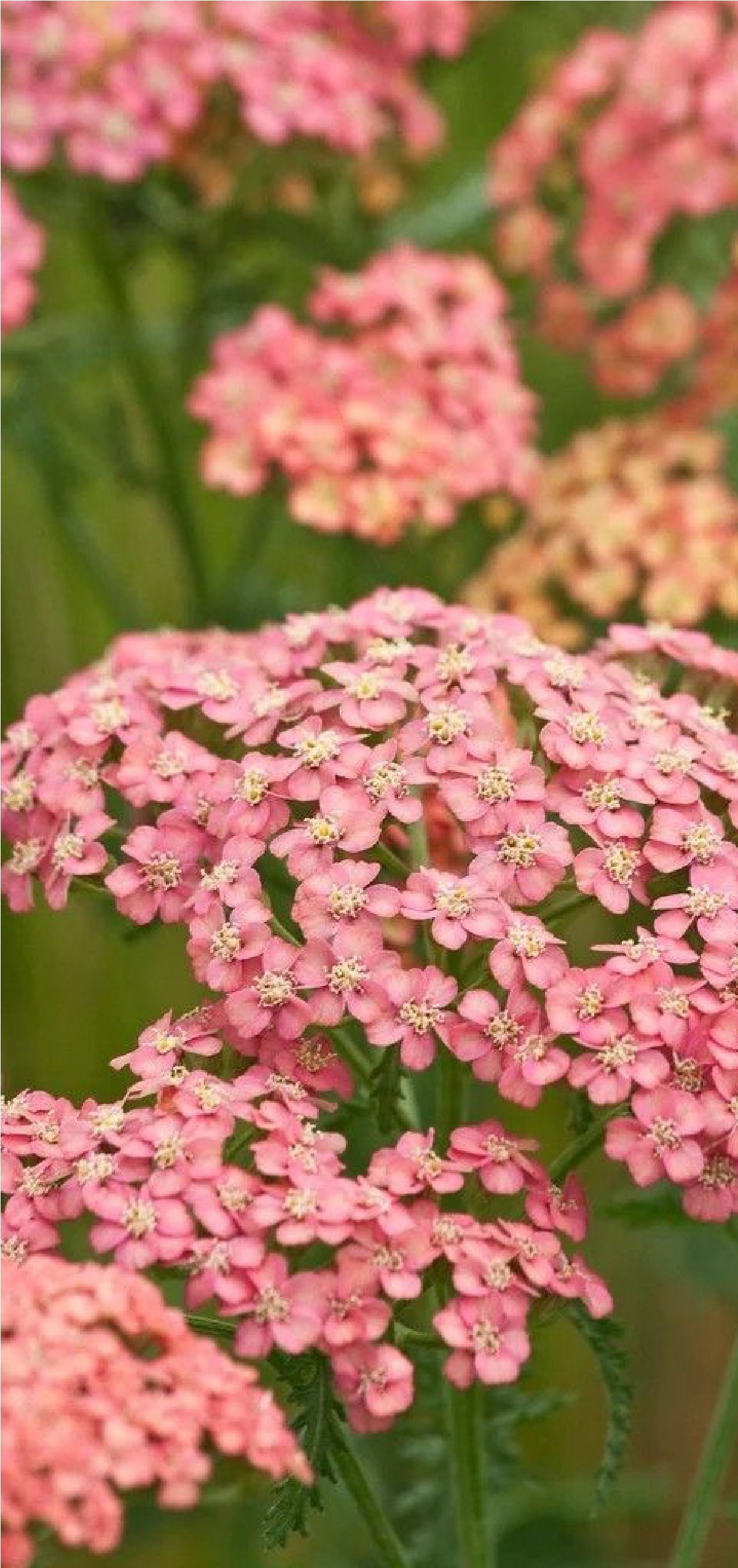
achillea millefolium
Yarrow
Stops Bleeding (Styptic): Contains natural clotting compounds that quickly seal minor cuts, scratches, and nosebleeds when applied topically.
Wounds & Infection (Antiseptic): Disinfects minor skin injuries and reduces painful inflammation, helping speed up the body's natural healing process.
Breaks Fevers (Diaphoretic): Drunk as a hot tea, it improves circulation and triggers sweating, helping the body naturally cool down and fight off colds or flu.
Relieves Period Pain (Emmenagogue): Helps regulate irregular menstrual cycles and eases painful uterine cramping by improving blood flow to the pelvic region.
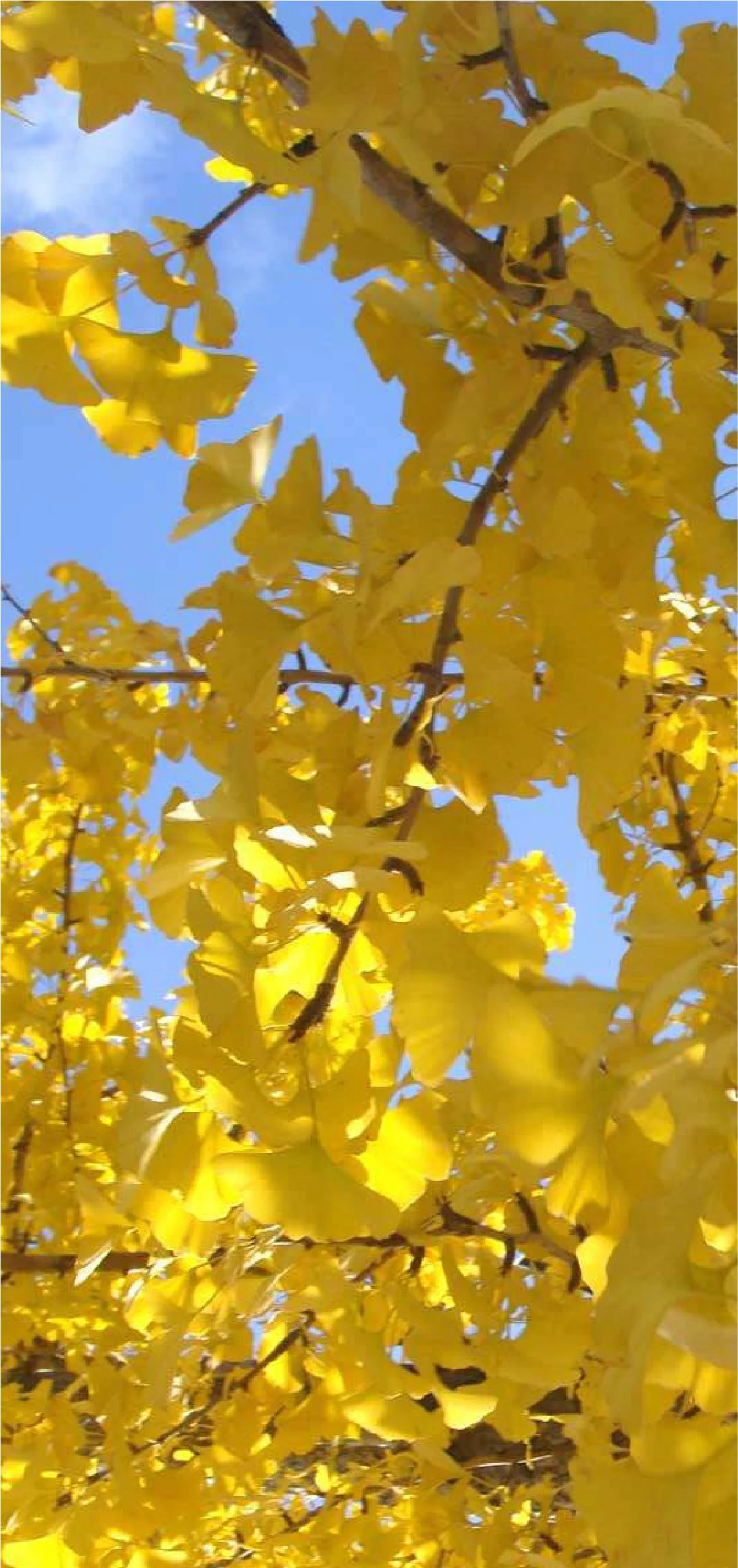
ginkgo biloba 'magyar'
Ginkgo 'Magyar'
Circulatory Stimulant: Contains ginkgoflavone glycosides that dilate blood vessels, improving microcirculation throughout the body, particularly to the extremities and brain.
Cognitive Support (Brain Health): Leaf extracts are widely used to enhance memory, focus, and cognitive speed by increasing blood flow and oxygenation to brain tissue.
Potent Antioxidant: Packed with terpenoids (like ginkgolides), which neutralize free radicals, protecting nerve cells from oxidative stress and aging.
Reduces Inflammation: Compounds in the leaves inhibit inflammatory markers, helping manage conditions related to chronic vascular and joint inflammation.